Green Remedy Dispensary in Denver, Colorado logo

Green Remedy

The First Legal Weed Sale in America Happened in Denver

The First Legal Weed Sale in America Happened in Denver

At eight in the morning on January 1, 2014, in falling snow, a line of people wrapped around a building on Brighton Boulevard.

They weren’t waiting for a concert. They were waiting to buy weed — legally, from a licensed store, for the first time anywhere in the world. And the person at the front of that line was about to become a small piece of American history.

That happened here. About fifteen minutes from where you’re reading this.

First, the part nobody puts on a t-shirt

Colorado’s cannabis story doesn’t start with legalization. It starts with a ban.

In March 1917, Colorado legislators made using or growing cannabis a misdemeanor — a fine between ten and a hundred dollars and up to a month in jail. It was among the earliest state-level cannabis laws in the country.

The reasons were not about public health. Economic booms in the West had drawn migrant labor, including many workers from Mexico, and the press of the era went about linking the plant to those communities on purpose. Colorado outlawed cannabis on the back of that campaign. In 1929 the state made it a felony.

Denver has one more entry in this chapter. On October 1, 1937 — the first day the federal Marihuana Tax Act took effect — police raided the Lexington Hotel in Denver and arrested Samuel Caldwell and Moses Baca. Those are generally recorded as the first federal marijuana arrests in the United States. Also here. Also us.

It’s worth sitting with that for a second before getting to the fun part. The city that hosted America’s first legal sale also hosted its first federal arrest, seventy-seven years earlier.

The slow turn

Colorado started loosening early. In 1975, the state made possession of small amounts a petty offense with a fine — decriminalization, two decades before most of the country got there.

Then, in November 2000, voters approved Amendment 20, legalizing medical marijuana. For most of the following decade the program stayed small and informal, run largely by individual caregivers.

Denver goes first

In 2005, a 23-year-old organizer named Mason Tvert put a measure on the Denver ballot — Initiative 100 — to remove city penalties for possessing up to an ounce.

His campaign made one argument, relentlessly: cannabis is safer than alcohol, so why does the city punish it more? He ran the argument through billboards, stunts, and enough press theater to make him a recognizable figure statewide. He once publicly needled Mayor John Hickenlooper, a brewpub owner, over exactly that contradiction.

Denver voters passed it with about 54 percent. The Mile High City became the first major American city to remove local penalties for cannabis possession.

Legally, it was mostly symbolic — state law from 1975 already governed, so little changed on the ground. Politically, it was the proof of concept. Denver had voted yes, and the sky stayed where it was.

A statewide version failed the following year with 40 percent. Nobody involved treated that as the end of the conversation.

The Green Rush

Two things cracked the door open.

In 2007, a Denver district judge ruled that caregivers weren’t capped at five patients each. In July 2009, after more than three hundred people showed up to testify, the state Board of Health rejected an attempt to reinstate that cap — by a single vote.

Then on October 19, 2009, Deputy Attorney General David Ogden sent a memo advising federal prosecutors to treat state-legal medical marijuana as a low enforcement priority. The Ogden Memo read, to everyone in Colorado, as a green light.

What followed got called the Green Rush, and the numbers explain the name: registered medical patients went from just under 20,000 at the start of October 2009 to more than 100,000 by the following July. Dispensaries opened across metro Denver at a pace that made regulation inevitable, and in 2010 the legislature passed the framework that turned an improvised scene into a licensed industry.

That framework mattered more than it sounds. When full legalization arrived, Colorado already knew how to license, track, and test. Other states had to invent that from scratch.

November 6, 2012

Amendment 64 passed with roughly 55 percent of the vote, amending the state constitution to regulate cannabis in a manner comparable to alcohol. Colorado and Washington passed theirs the same night, the first two states anywhere to legalize adult use.

Then came fourteen months of writing rules, and a start date: January 1, 2014.

The eighth of Bubba Kush in a closet

Which brings us back to that line in the snow.

The man at the front was Sean Azzariti, a Marine Corps veteran of the Iraq war who had campaigned publicly for Amendment 64 and appeared in ads supporting it. Organizers chose him deliberately to make the first purchase.

At 8 a.m., surrounded by news crews and with his mother filming on her phone, Azzariti bought an eighth of Bubba Kush and some THC-infused chocolate truffles at 3D Cannabis Center, 4305 Brighton Boulevard. The total was $59.74 with tax.

That was the first legal recreational cannabis sale in the world.

Here’s the detail that makes it a story rather than a fact: he never opened it. He tried to donate it to a museum. The Smithsonian and the Denver Museum of Nature & Science both declined, on the grounds that the contents were still federally illegal. So the first legal weed ever sold in America has spent more than a decade in a closet in Denver, receipt laminated.

Brighton Boulevard now

In 2014, that stretch of Brighton was dusty and industrial, and 3D was the only reason most people had to be there.

Today it’s RiNo. Murals, breweries, coffee roasters, the Mission Ballroom down the street. Some of that would have happened anyway. Some of it happened because a cannabis industry moved into cheap warehouse space and the neighborhood followed.

Colorado has since collected billions in cannabis tax revenue and built one of the most closely studied regulated markets in the world. Dozens of states have copied the framework. Much of it was worked out here first, in public, with everyone watching to see whether it would fall apart.

It didn’t.

Why we bring it up

Because it’s easy to forget that any of this was ever in doubt.

Buying cannabis in Denver in 2026 is deeply unremarkable. You show an ID, you talk to someone about terpenes, you leave. That ordinariness is the whole achievement. It took a hundred and nine years, a lot of ballot measures, and a Marine standing in the snow at eight in the morning on New Year’s Day.

Come see what the fuss was about — or check this week’s deals, which is a sentence that would have gotten someone arrested at the Lexington Hotel in 1937.

FAQ

When did weed become legal in Colorado? Voters approved Amendment 64 on November 6, 2012, and legal recreational sales began on January 1, 2014. Medical marijuana had been legal since Amendment 20 passed in 2000.

Where was the first legal marijuana sale in America? 3D Cannabis Center at 4305 Brighton Boulevard in Denver, at 8 a.m. on January 1, 2014.

Who made the first legal weed purchase? Sean Azzariti, a Marine Corps veteran and legalization advocate. He bought an eighth of Bubba Kush and infused chocolate truffles for $59.74.

Was Colorado the first state to legalize marijuana? Colorado and Washington both passed legalization measures on November 6, 2012. Colorado was first to open retail stores, on January 1, 2014.

When did Denver decriminalize marijuana? Denver voters passed Initiative 100 in November 2005, making it the first major U.S. city to remove local penalties for possessing up to an ounce.

For adults 21 and older. Please consume responsibly and never drive under the influence.
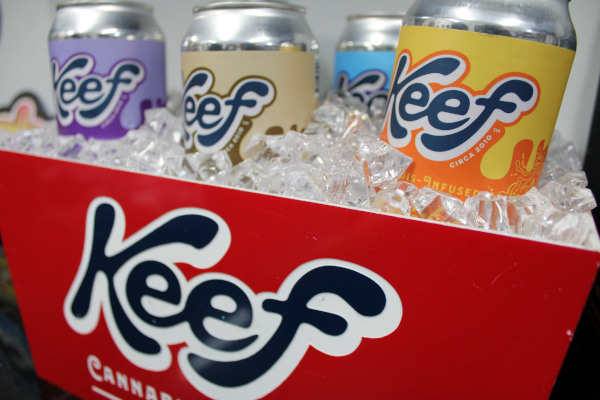
THC Drinks: A Beginner’s Guide to Cannabis Beverages

THC Drinks: A Beginner’s Guide to Cannabis Beverages

Cannabis drinks used to be bad. This is not a controversial statement in the industry. For years they were slow, unpredictable, and tasted faintly of pond.

That changed, and a lot of people haven’t noticed yet. The current generation of THC seltzers, sodas, and shots is genuinely good — and for a certain kind of consumer, it’s become the default. Here’s what’s going on.

What a THC drink actually is

A cannabis beverage is a drink infused with THC, usually somewhere between 2 and 10 mg per container.

Green Remedy Dispensary Photos Denver Colorado

The interesting part is the engineering. THC doesn’t dissolve in water — it’s oil-based, and oil and water famously refuse to cooperate. Early cannabis drinks either separated in the can or relied on THC oil that your body absorbed slowly and erratically.

The fix is nanoemulsion: breaking the oil into particles small enough to stay suspended in liquid. That’s why modern drinks mix properly, taste like the beverage they claim to be, and behave much more consistently than the ones from a decade ago.

How fast they work

This is the main reason people switch.

Traditional edibles are processed through the digestive system and liver, which is why they can take an hour or two and why the timing varies so much. Emulsified drinks generally come on faster — often in the range of 15 to 45 minutes, though this depends on the product, your body, and whether you’ve eaten.

They also tend to run shorter than a heavy edible. That’s a feature: it makes an evening easier to plan around.

None of which means you should stop waiting. Faster is not instant. The classic mistake is still the classic mistake — drinking a second one at minute twenty because nothing’s happening yet. Give it a full hour before you decide.

The main types

Seltzers — the biggest category. Light, low-calorie, usually 2–10 mg, often citrus or berry. The closest thing to a drink you’d sip socially over an hour.

Sodas — sweeter, more nostalgic, root beer and cola and cream soda territory. Heavier than a seltzer.

Shots — small, concentrated, meant to be knocked back rather than sipped. Efficient, and easier to overshoot if you’re new.

Teas, lemonades, and coffees — a growing shelf, and the ones people tend to reach for outside of an evening context.

Powders and drops — unflavored additions you mix into whatever you’re already drinking. Maximum control over dose.

Dosing: the only part that really matters

If you’re new, start at 2.5 mg. Not 5. Not “well, 10 is one serving.” Start at 2.5, and if you can’t find a 2.5 mg product, drink half of a 5 mg one.

Wait a full hour before having more. Set an actual timer if you’re the impatient type. Most bad experiences with any ingestible cannabis product trace back to a second dose taken too early.

Know your can. Some products are single-serving, some contain multiple servings in one container. The label tells you. Read it before, not after.

Don’t mix with alcohol until you know how each affects you separately. The combination is unpredictable and it’s a common way for a fine night to stop being fine.

Eating changes things. On an empty stomach a drink typically comes on faster and harder.

Why people are switching to them

Not medical reasons — practical ones.

Portion control is unusually good. A 5 mg can is 5 mg. You always know exactly what you took, which isn’t true of flower.

No smoke and no smell. Relevant if you have roommates, neighbors, a landlord, or a strong preference.

They fit social situations. Holding a drink is a normal thing to be doing. For people who’ve stepped back from alcohol but still want something in their hand at a barbecue, this is the whole appeal.

They’re portable and discreet. A can looks like a can.

How to shop for one

Check the milligrams first, flavor second. Potency determines whether you enjoy the night; flavor determines whether you enjoy the sip.

Look at onset info on the label. Producers using fast-acting emulsion technology generally say so, because it’s a selling point.

Consider the occasion. A sippable low-dose seltzer and a concentrated shot are built for different evenings.

Buy one before you buy a four-pack. Flavor preference in this category is intensely personal.

Under Colorado rules, drinks count toward the same daily limit as other infused products — 800 mg of THC across marijuana products in a day, which is far more than any reasonable beverage purchase.

Thirsty Thursday

Every Thursday, all drinks are 15% off — our biggest daily discount, and the cheapest way to figure out which one you actually like.

Browse cannabis drinks or see the full weekly deal lineup, including happy hours Friday and Saturday nights and Sunday morning.

FAQ

How long do THC drinks take to kick in? Typically 15 to 45 minutes for fast-acting emulsified beverages, though it varies by product and person. Wait a full hour before considering more.

How many milligrams should a beginner start with? 2.5 mg is a sensible starting point. Experienced consumers often land between 5 and 10 mg.

Do THC drinks hit differently than edibles? Most people find they come on faster and don’t last as long, largely because of how emulsified THC is absorbed.

Can I mix THC drinks with alcohol? Not recommended, especially if you’re new to either. The combined effects are hard to predict.

How long do they stay good? Check the expiration date on the can. Emulsions can lose stability over time, so a drink that’s been in the back of the fridge for a year may not behave as expected.

Where can I buy THC drinks in Denver? Right here — and Thursdays they’re 15% off.

For adults 21 and older. This post is general information and not medical advice. Please consume responsibly and never drive under the influence.
THC vs CBD: What’s the Difference?

THC vs CBD: What’s the Difference?

If you’ve browsed a cannabis menu, you’ve seen products labeled with THC, CBD, or a mix of both. These are the two most talked-about compounds in cannabis — and they do very different things. Here’s a clear breakdown from the team at Green Remedy to help you shop with confidence.

Quick Answer

THC and CBD are both cannabinoids found in cannabis, but THC is the compound that produces the “high,” while CBD does not cause intoxication. People often choose THC for its euphoric and recreational effects, and CBD for a calmer, clear-headed experience. Many products combine the two.

What Is THC?

THC (tetrahydrocannabinol) is the primary psychoactive compound in cannabis. It’s responsible for the euphoric, “high” feeling associated with marijuana.

THC interacts with receptors in the brain and body, which can produce effects like relaxation, a lift in mood, increased appetite, and altered sensory perception. It’s the compound most recreational cannabis products are built around, and potency is usually shown as a THC percentage on flower or a milligram amount on edibles.

What Is CBD?

CBD (cannabidiol) is another major cannabinoid in cannabis — but unlike THC, it does not produce a high. CBD is non-intoxicating, which means you can use it without the euphoric or impairing effects of THC.

Many people are drawn to CBD because it allows them to enjoy cannabis-derived products while staying clear-headed. CBD comes in oils, gummies, capsules, topicals, and flower, and it’s often paired with THC in balanced products.

THC vs CBD: Key Differences

THC

CBD

Causes a high?

Yes

No

Intoxicating?

Yes

No

Common reasons people use it

Euphoria, relaxation, recreational enjoyment

Calm, clear-headed experience

Found in

Flower, edibles, vapes, concentrates

Oils, gummies, topicals, capsules, flower

Often listed as

THC % or mg

CBD mg or as a ratio with THC

Will CBD Get You High?

No — CBD on its own will not get you high. It’s non-intoxicating, which is a big part of its appeal. If a product is labeled as CBD-only or “THC-free,” you shouldn’t expect euphoric effects.

That said, many products contain both CBD and THC. In those cases, the THC is still what produces the high — so always check the label for the THC content.

Understanding THC:CBD Ratios

Many cannabis products list a ratio, such as 1:1, 5:1, or 20:1. This tells you the proportion of CBD to THC (or THC to CBD — the order varies by brand, so read carefully).

  • A balanced 1:1 ratio offers a mix of both compounds.
  • A high-CBD, low-THC ratio produces milder psychoactive effects.
  • A high-THC ratio delivers stronger euphoric effects.

If you’re new to cannabis, a product with more CBD relative to THC can be a gentler introduction. When in doubt, ask a budtender to explain the ratio on a specific product.

How to Choose Between THC and CBD Products

There’s no single right answer — it depends on the experience you want:

  • Want euphoric, recreational effects? Look for THC-forward products.
  • Want to stay clear-headed? Look for CBD-forward or CBD-only products.
  • Want a bit of both? A balanced 1:1 product is a popular middle ground.
  • New to cannabis? Start low, choose a higher-CBD option, and increase slowly.

The best approach is to read product labels, start with a low dose, and ask questions. A knowledgeable budtender can match a product to your goals and comfort level.

Frequently Asked Questions

What’s the difference between THC and CBD? THC is the compound in cannabis that produces a high. CBD is non-intoxicating and does not cause a high. Both are cannabinoids found in the cannabis plant.

Does CBD get you high? No. CBD on its own is non-intoxicating. If a product gets you high, that effect comes from THC.

Can you take THC and CBD together? Yes. Many products combine the two, and some people find a balanced ratio gives a more rounded experience.

Which is better, THC or CBD? Neither is “better” — they serve different purposes. THC is chosen for euphoric, recreational effects; CBD for a calm, clear-headed experience.

What does a THC:CBD ratio mean? It shows the proportion of the two compounds in a product. Higher-CBD ratios produce milder psychoactive effects; higher-THC ratios are stronger.

Explore THC and CBD Products at Green Remedy

From high-THC flower to balanced CBD edibles, Green Remedy carries a full range of lab-tested products for every kind of cannabis consumer. Not sure which is right for you? Our budtenders are here to help. Browse the Green Remedy menu and order online.

This article is for informational purposes only and is not medical advice. Cannabis is for adults 21 and older.

Can Tourists Buy Weed in Colorado? What Visitors Need to Know

Can Tourists Buy Weed in Colorado? What Visitors Need to Know

Colorado is one of the most well-known cannabis destinations in the country, and every year visitors arrive with the same question: can tourists buy weed in Colorado? Whether you’re in Denver for a weekend, a conference, or a ski trip, here’s exactly how it works.

Quick Answer

Yes — tourists can legally buy recreational cannabis in Colorado. Anyone 21 or older with a valid government-issued photo ID can purchase from a licensed recreational dispensary, regardless of what state or country they’re from. You do not need to be a Colorado resident, and you don’t need a medical card.

Can Tourists Legally Buy Cannabis in Colorado?

Recreational cannabis has been legal for adults in Colorado for over a decade, and recreational dispensaries serve residents and visitors alike. Out-of-state visitors are welcome at licensed dispensaries across Denver.

There are a few rules worth knowing before you go, mostly around ID, purchase limits, and where you can legally consume. We’ll cover each below.

What ID Do You Need to Buy Weed in Colorado?

You’ll need a valid, government-issued photo ID proving you are 21 or older. Accepted forms typically include:

  • A driver’s license
  • A state ID card
  • A passport

Out-of-state and international IDs are fine, as long as they’re valid and government-issued. Expect staff to check your ID at the door — this is standard at every licensed Denver dispensary.

How Much Weed Can Tourists Buy in Colorado?

Visitors have the same purchase limits as Colorado residents. For recreational customers, the limit is 1 ounce of cannabis flower per transaction, or the equivalent in other product types.

As a general guide, one ounce of flower is roughly equivalent to:

  • 8 grams of concentrate
  • 800mg of THC in edibles

You can mix and match product types as long as your total stays within the limit. Dispensaries track this automatically, so you don’t have to do the math yourself.

Where Can You Legally Consume Cannabis in Colorado?

This is the part visitors most often get wrong. Buying cannabis is legal — but public consumption is not. You cannot legally smoke, vape, or consume cannabis:

  • On streets, sidewalks, or in parks
  • In bars, restaurants, or other public venues
  • On federal land, including national parks and ski slopes

Cannabis use is generally limited to private property where the owner allows it. Many hotels prohibit cannabis use, including smoking on balconies, so always check your accommodation’s policy first. Some visitors look into cannabis-friendly lodging or licensed consumption lounges for a legal option.

Can You Take Weed Home From Colorado?

No. It is illegal to carry cannabis across state lines, even into another state where cannabis is legal. It’s also illegal to bring it through airport security or onto a plane, because air travel falls under federal jurisdiction and cannabis remains federally restricted.

The simple rule: whatever you buy in Colorado needs to stay — and be consumed — in Colorado.

Tips for Visiting a Denver Dispensary

  • Bring cash or a debit card. Many dispensaries can’t process standard credit cards. ATMs are usually available on site.
  • Don’t over-buy. Edibles in particular last a long time — buy for the trip you’re actually taking.
  • Ask the budtender. If you’re visiting from a state without legal cannabis, the staff can walk you through unfamiliar products and dosing.
  • Plan where you’ll consume before you buy, since public use isn’t allowed.

Frequently Asked Questions

Can tourists buy weed in Colorado? Yes. Any visitor 21 or older with a valid government-issued photo ID can buy recreational cannabis from a licensed dispensary.

Do you need a Colorado ID or medical card to buy weed? No. Out-of-state and international IDs are accepted, and no medical card is needed for recreational purchases.

How much weed can a tourist buy in Colorado? The same limit as residents: 1 ounce of flower per transaction, or the equivalent in concentrates or edibles.

Can I smoke weed in public in Denver? No. Public consumption is illegal. Cannabis use is limited to private property where the owner permits it.

Can I fly home with weed from Colorado? No. Carrying cannabis across state lines or through airport security is illegal, even to another state where cannabis is legal.

Visiting Denver? Stop by Green Remedy

Green Remedy is a trusted, licensed Denver dispensary with a welcoming team and a curated menu — a great first stop for visitors exploring Colorado cannabis. Browse our menu and order online before you arrive.

This article is for informational purposes only and is not legal advice. Cannabis is for adults 21 and older. Laws can change — confirm current regulations before your visit.

How Long Do Edibles Last? A Denver Dispensary’s Complete Guide

How Long Do Edibles Last? A Denver Dispensary’s Complete Guide

Edibles are one of the most popular ways to enjoy cannabis — they’re discreet, smoke-free, and easy to dose. But if you’re new to them, the most common question is also the most important one: how long do edibles last?

Understanding the timeline before you eat an edible is the single best thing you can do for a comfortable experience. Below, the team at Green Remedy breaks down onset times, how long the effects last, and what influences both.

Quick Answer

Most cannabis edibles last 4 to 8 hours, with effects sometimes lingering up to 12 hours at higher doses. They typically take 30 to 90 minutes to kick in, because the cannabis has to move through your digestive system first. The golden rule: start low, go slow, and wait at least two hours before taking more.

How Long Do Edibles Take to Kick In?

This is where edibles differ most from smoking or vaping. When you inhale cannabis, effects arrive within minutes. With an edible, the THC has to be digested and processed by your liver before you feel anything.

For most people, swallowed edibles — gummies, chocolates, baked goods, and capsules — take 30 to 90 minutes to take effect. Some people feel it sooner; others with slower digestion may wait closer to two hours.

Sublingual products like tinctures, mints, and lozenges work faster, often within 15 to 45 minutes, because some of the cannabinoids absorb directly through the tissue in your mouth.

The most important rule: don’t take more because you don’t feel anything yet. The most common uncomfortable edible experiences happen when someone assumes the first dose didn’t work, takes a second, and then has both doses hit at once.

How Long Do the Effects of Edibles Last?

Once an edible kicks in, the effects generally last 4 to 8 hours. Higher doses can produce effects that linger for up to 12 hours, with a gentle “tail” afterward as your body finishes processing the THC.

Here’s a typical edible timeline for a standard swallowed edible:

  • 0–60 minutes: The absorption window. Most people feel little or nothing.
  • 1–2 hours: Effects begin and start building.
  • 2–4 hours: Peak effects — this is when an edible feels strongest.
  • 4–8 hours: Effects gradually taper off.
  • 8–12 hours: Mild residual effects may remain after a large dose.

What Affects How Long Edibles Last?

No two people experience edibles exactly the same way. Several factors influence both onset and duration:

  • Dose: A 2.5mg microdose may produce mild effects for a couple of hours. A larger dose lasts longer and feels more intense.
  • Tolerance: Regular cannabis consumers often need more to feel the same effect. If you’ve taken a tolerance break, treat yourself as a beginner.
  • Metabolism and body composition: Faster metabolisms tend to mean faster onset and a shorter overall experience.
  • Food in your stomach: An empty stomach usually speeds up onset and can intensify effects. Eating first slows things down and smooths them out.
  • Product type: Sublinguals act faster than swallowed edibles.

How Long Do Edibles Stay in Your System?

The effects of an edible fade within several hours, but trace amounts of THC can remain detectable far longer. Detection depends heavily on dose, frequency of use, and individual factors rather than on edibles specifically. If you expect to be drug tested, keep this in mind regardless of how you consume cannabis.

Tips for a Comfortable Edible Experience

  • Start low. A 2.5–5mg dose is a sensible starting point for beginners. In Colorado, a single labeled serving is capped at 10mg of THC.
  • Wait it out. Give the first dose a full two hours before considering more.
  • Read the label. Every edible sold at a licensed Denver dispensary lists exact THC content per piece.
  • Plan your timing. Because effects can last all evening, don’t take an edible right before something you need to be sharp for.
  • Ask a budtender. If you’re unsure which product or dose suits you, the staff at Green Remedy can walk you through the options.

Frequently Asked Questions

How long do edibles last? Most edibles produce effects for 4 to 8 hours, and sometimes up to 12 hours at higher doses.

How long do edibles take to kick in? Swallowed edibles usually take 30 to 90 minutes. Sublingual products like tinctures and mints can work in 15 to 45 minutes.

Why do edibles last longer than smoking? Edibles are processed by the liver, which converts THC into a longer-lasting, often stronger compound. Inhaled cannabis enters the bloodstream directly and wears off faster.

Can I take more if I don’t feel anything after 30 minutes? No. Wait at least two hours. Re-dosing too soon is the most common cause of an overwhelming edible experience.

Do edibles hit harder on an empty stomach? Often yes — an empty stomach can speed up onset and intensify effects.

Find Quality Edibles in Denver

Whether you prefer gummies, chocolates, or fast-acting tinctures, Green Remedy carries a wide selection of lab-tested edibles at every potency level. Not sure where to start? Our budtenders are happy to help you find a comfortable dose. Check out Green Remedy’s menu to get started.

This article is for informational purposes only and is not medical advice. Cannabis is for adults 21 and older.

Best Late-Night Food in Denver When You Have the Munchies

Best Late-Night Food in Denver When You Have the Munchies

Anyone who enjoys cannabis knows that the munchies are real. After relaxing with your favorite strain, suddenly everything from pizza to tacos sounds incredible. Whether you’re hanging out with friends, watching movies, or just enjoying a chill night, finding great late-night food can make the experience even better.

If you’re spending the evening in Denver, you’re in luck. The city has plenty of great food options that stay open late and deliver exactly the kind of comfort food that hits the spot when hunger strikes.

If you’ve just stopped by Green Remedy and the munchies kick in, here are some of the best late-night food options in Denver.

Pizza That Hits the Spot

Pizza is one of the most popular late-night foods for a reason. It’s warm, cheesy, and perfect for sharing with friends.

Denver has no shortage of pizza spots serving up slices late into the night. Whether you prefer a classic pepperoni slice or a loaded specialty pizza, the combination of melted cheese, crispy crust, and savory toppings is hard to beat.

Pizza is especially great for movie nights or game nights when you want something filling without needing a full sit-down meal.

Late-Night Taco Runs

Tacos are another classic munchies food. They’re flavorful, easy to eat, and often available from food trucks or late-night restaurants throughout Denver.

From street tacos to loaded burritos, late-night taco spots offer plenty of options to satisfy cravings. Many places also offer spicy salsas and fresh toppings that bring extra flavor to every bite.

For people who love bold flavors and quick meals, tacos are one of the best late-night food choices.

Loaded Burgers and Fries

Sometimes nothing hits the spot like a juicy burger and a pile of crispy fries.

Late-night burger spots across Denver serve everything from classic cheeseburgers to stacked creations loaded with bacon, cheese, and special sauces.

The combination of savory meat, melted cheese, and salty fries makes burgers a perfect match for the munchies.

Comfort Food Favorites

Comfort food is another go-to option when hunger kicks in late at night. Mac and cheese, fried chicken, and loaded nachos are all popular choices.

These types of foods are satisfying, flavorful, and often served in generous portions—perfect for sharing with friends or enjoying after a long night out.

Comfort foods also pair perfectly with relaxed activities like watching TV or listening to music.

Sweet Treats and Desserts

Sometimes the munchies call for something sweet instead of savory. Late-night dessert spots and bakeries in Denver offer everything from milkshakes and ice cream to cookies and donuts.

Sweet treats can be especially satisfying after enjoying savory foods earlier in the evening. Chocolate desserts, in particular, tend to be a favorite for many late-night snackers.

Whether it’s a milkshake, brownie, or ice cream cone, dessert can be the perfect way to end the night.

The Perfect Pairing: Food and a Chill Night

Great food can turn a simple night into a memorable experience. Whether you’re hanging out with friends or enjoying a quiet evening at home, the right meal can take your night to the next level.

Many people enjoy pairing their favorite snacks with activities like:

  • Watching movies
  • Listening to music
  • Playing video games
  • Relaxing with friends

When the vibe is right and the food is good, the night tends to unfold naturally.

Exploring Denver’s Late-Night Food Scene

Denver’s food scene has grown rapidly over the past decade, and the city now offers an impressive variety of restaurants, food trucks, and casual dining spots that stay open late.

Neighborhoods such as LoDo and RiNo are known for their nightlife and food options, making them great areas to explore when hunger strikes late at night.

From comfort food classics to creative street food, Denver offers something for nearly every craving.

Enjoy the Night Responsibly

While enjoying great food and cannabis can be a fun way to unwind, it’s always important to consume responsibly. Plan ahead for transportation if you’re going out, and never drive while impaired.

If you’re exploring the cannabis scene in Denver, visiting a reputable dispensary like Green Remedy can help ensure you’re getting high-quality products and helpful guidance from experienced staff.

Satisfy the Munchies

The munchies are part of cannabis culture, and Denver offers plenty of options to satisfy those cravings.

Whether you’re in the mood for pizza, tacos, burgers, or dessert, the city’s late-night food scene has something delicious waiting for you.

Next time the munchies hit, grab some friends, explore the city, and enjoy one of the many incredible food spots Denver has to offer.