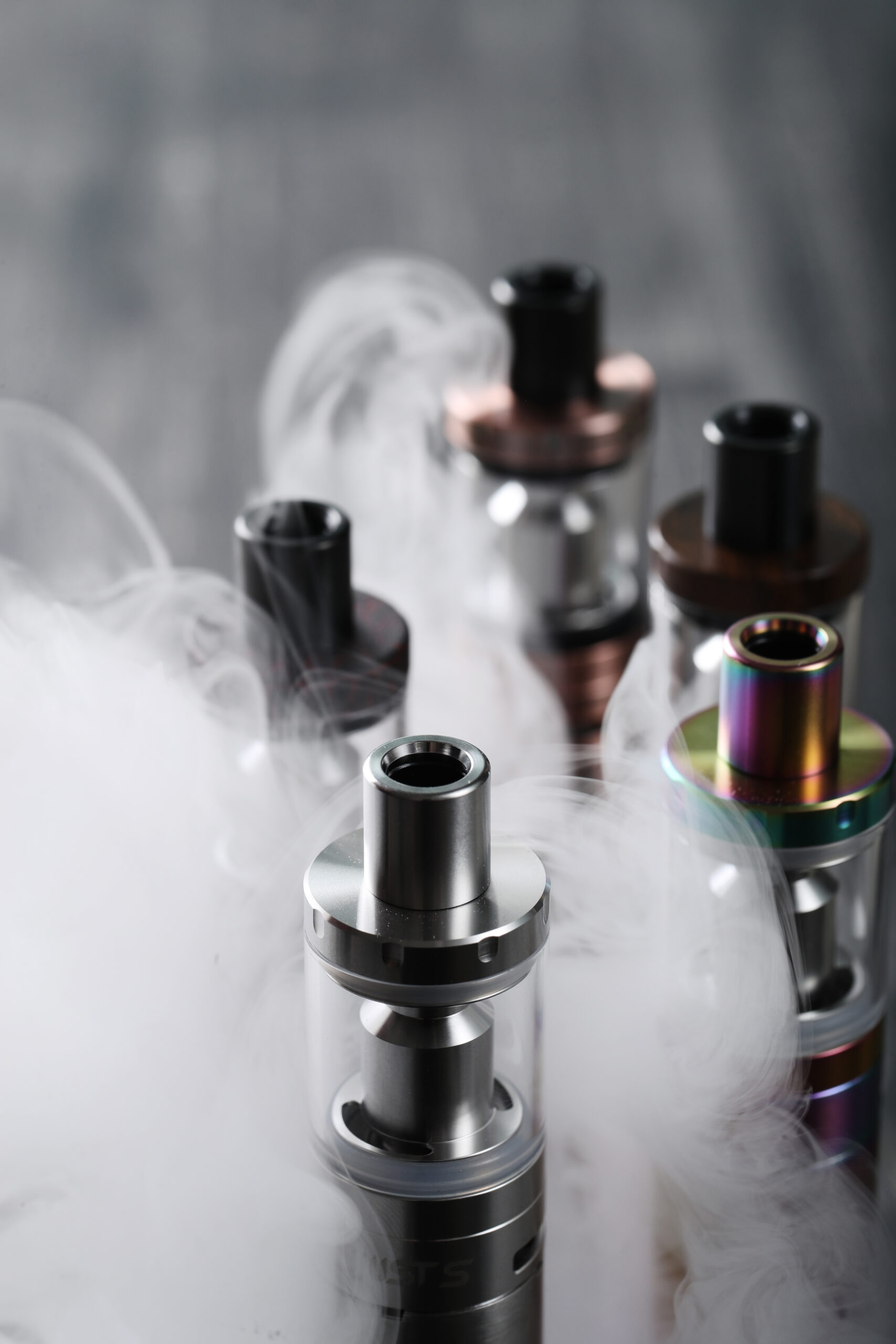
A vape cart is a small tank of cannabis oil that attaches to a battery. Most use a standard connection called 510 thread, which means almost any cartridge fits almost any battery. Disposables build the battery into the unit and get thrown away when empty, and pods use a manufacturer’s own proprietary fitting rather than the 510 standard. Everything else — oil type, coil material, voltage — sits underneath those three formats and determines what the experience is actually like.
What 510 thread means
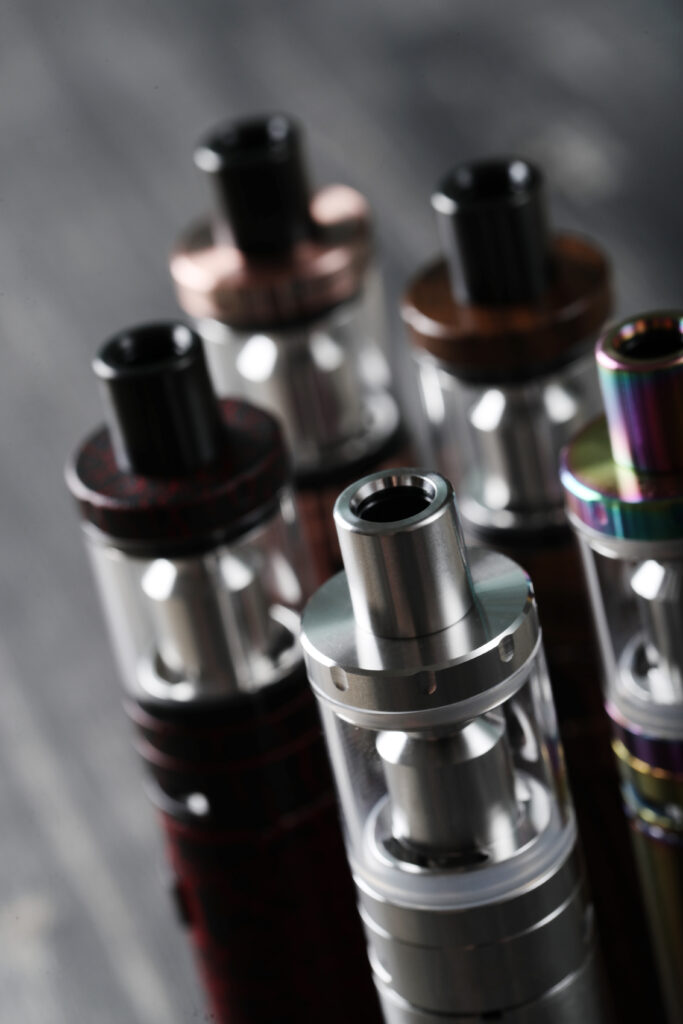
The name describes the physical connector. It has ten threads cut at a half-millimeter pitch, which is where 5-10 comes from. It started as one manufacturer’s design, became the de facto standard across the industry, and now nearly every cartridge on a Colorado shelf uses it.
The practical consequence is good news. A 510 cartridge from one brand screws onto a 510 battery from any other brand. You buy a battery once, keep it, and swap cartridges as you go.
Batteries vary in ways worth knowing. Some are a single fixed voltage, which is simple and hard to get wrong. Others offer adjustable voltage, usually through a button you click a few times to cycle through settings. A few include preheat, a short low-power burst that loosens thickened oil before you draw.
The three formats
| How it works | Upside | Downside | |
| 510 cartridge | Screws onto any 510 battery | Reusable battery, widest selection, usually cheapest per gram | You have to own a battery and keep it charged |
| Disposable | Battery built in, discard when empty | Nothing to buy or charge, works out of the box | Costs more per gram, and the whole device is waste |
| Pod | Proprietary fitting, one brand’s system | Often better engineered, tight seal, less leaking | Locked to that brand, and the battery is an upfront cost |
If you vape regularly, a 510 battery plus cartridges is the cheapest route by a comfortable margin. Disposables make sense for travel, for trying something once, or for anyone who doesn’t want another thing to charge. Pods make sense if you’ve found a brand you like enough to buy into its system.
What’s actually in the oil
The format tells you nothing about the quality of what’s inside. That comes down to the extract.
Distillate fills most carts on most menus. It’s heavily refined, often above 90% THC, and almost flavorless on its own, so terpenes get added back afterward. Some producers use cannabis-derived terpenes and others use botanical terpenes sourced from other plants. The label or the product page usually says which, and it’s the difference between a cart that tastes like the strain on the box and one that tastes vaguely like a candle.
Live resin carts use extract made from flash-frozen plants, which keeps much more of the original terpene profile. Lower THC number, considerably better flavor, higher price.
Live rosin carts are solventless and sit at the top of the market. The THC figure is usually lower still and the flavor is the closest you’ll get to the living plant.
The pattern here catches people out. The cart with the highest THC number on the shelf is frequently the cheapest one, because distillate is both the most potent and the least expensive to produce. Potency and quality are separate axes.
Hardware details that matter
Coil material affects taste. Ceramic coils are now standard on most quality carts and produce a cleaner flavor than the older cotton-wick designs. If a cart tastes vaguely burnt from the very first draw, the hardware is usually the reason.
Voltage matters more than people expect. Lower settings, roughly 2.5 to 3.0 volts, preserve flavor and make the cart last longer. Higher settings produce bigger clouds and burn through oil faster, and past a point they scorch the terpenes and give you that harsh taste. Starting low and working up is the right approach with any new cart.
Airflow is a design choice. Some carts want a slow, gentle draw and will flood or clog if you pull hard. If a cart feels like hard work, easing off usually improves it.
Troubleshooting
The cart is clogged
Clogs happen when oil cools and thickens in the airway, and they’re most common in winter or after a cart has sat unused.
Warm it first. Holding the cartridge in your hand for a few minutes is often enough, and a battery with a preheat function handles it automatically. Then take a slow, gentle draw rather than a hard one, since pulling hard on a clog usually compacts it.
Storing the cart upright helps prevent the problem from recurring.
It tastes burnt
Several causes, in rough order of likelihood. Your voltage is too high, so turn it down. You’re chain-hitting, so give it twenty or thirty seconds between draws to let the coil cool. The cart is nearly empty, which is the most common reason of all. Or it’s a cotton-wick cart, in which case it will taste that way regardless and the fix is a better cart next time.
It’s leaking
Usually heat or pressure. A cart left in a hot car or a sunny windowsill will leak, and so will one stored on its side. Keep it upright and out of direct heat. Over-tightening onto the battery can also force oil past the seals, so snug is enough.
No vapor at all
Check the battery charge first, since that’s the answer most of the time. Then check the connection, as a cartridge screwed on too tightly can press the center pin down far enough to break contact. Unscrew it a quarter turn and try again.
Storing a cart
Upright, somewhere cool and dark, and away from heat. A drawer is ideal and a car in a Denver July is the worst place on earth for one.
Cannabis oil degrades with light and heat the same way flower does. Our guide to storing cannabis properly covers the principles, and they apply to carts as much as to jars.
How to choose one
Start by deciding on the format. If you’re going to vape regularly, buy a 510 battery and commit to cartridges. If you want zero setup, buy a disposable.
Then choose the extract rather than the number. If flavor matters to you, the jump from distillate to live resin is the single biggest improvement available, and it’s a smaller price jump than going further up to rosin. If you’re optimizing for cost per milligram, distillate wins and it isn’t close.
Check the label for what the oil actually is, and check whether the terpenes are cannabis-derived or botanical. Then ask a budtender what’s been coming back with good feedback, because hardware quality varies between production runs in ways no label captures.
Browse carts and vapes or check this week’s deals.
Frequently asked questions
What does 510 thread mean?
It’s the standard connection between a cartridge and a battery, named for its ten threads at a half-millimeter pitch. Nearly all cartridges and batteries use it, so they’re interchangeable across brands.
Are all vape carts 510 thread?
Most are. Pod systems are the exception, using a proprietary fitting that only works with that manufacturer’s battery.
What voltage should I use for a cannabis cart?
Start low, around 2.5 to 3.0 volts, and raise it only if you want more vapor. Lower voltage preserves flavor and makes the cartridge last longer.
Why does my cart taste burnt?
Most often the voltage is too high, you’re drawing too frequently without letting the coil cool, or the cartridge is nearly empty. Cotton-wick carts also taste harsher than ceramic ones regardless of settings.
How do I fix a clogged cart?
Warm the cartridge in your hand for a few minutes, or use a battery with a preheat setting, then take a slow gentle draw. Storing it upright prevents most clogs.
Is a live resin cart better than a distillate cart?
Live resin keeps far more of the plant’s original terpenes, so it tastes markedly better. Distillate tests higher for THC and costs less. Which is better depends on whether you’re buying for flavor or for potency per dollar.
Why is my cart leaking?
Heat, storing it on its side, or over-tightening it onto the battery. Keep it upright, out of hot cars, and tightened only until snug.
Are disposables worth it?
They cost more per gram than a cartridge and battery, so they make the most sense for travel, for trying a brand once, or if you don’t want to charge anything.
For adults 21 and older. Please consume responsibly and never drive under the influence.